
Cart (0)
Your basket is currently empty.
Live chat and helpline open between 7:00am – 5:00pm

Live chat and helpline open between 7:00am – 5:00pm
On all products ordered before 3:00pm
On all orders over £100

Find out what our customers are saying

No Quibble returns up to 14 days from purchase
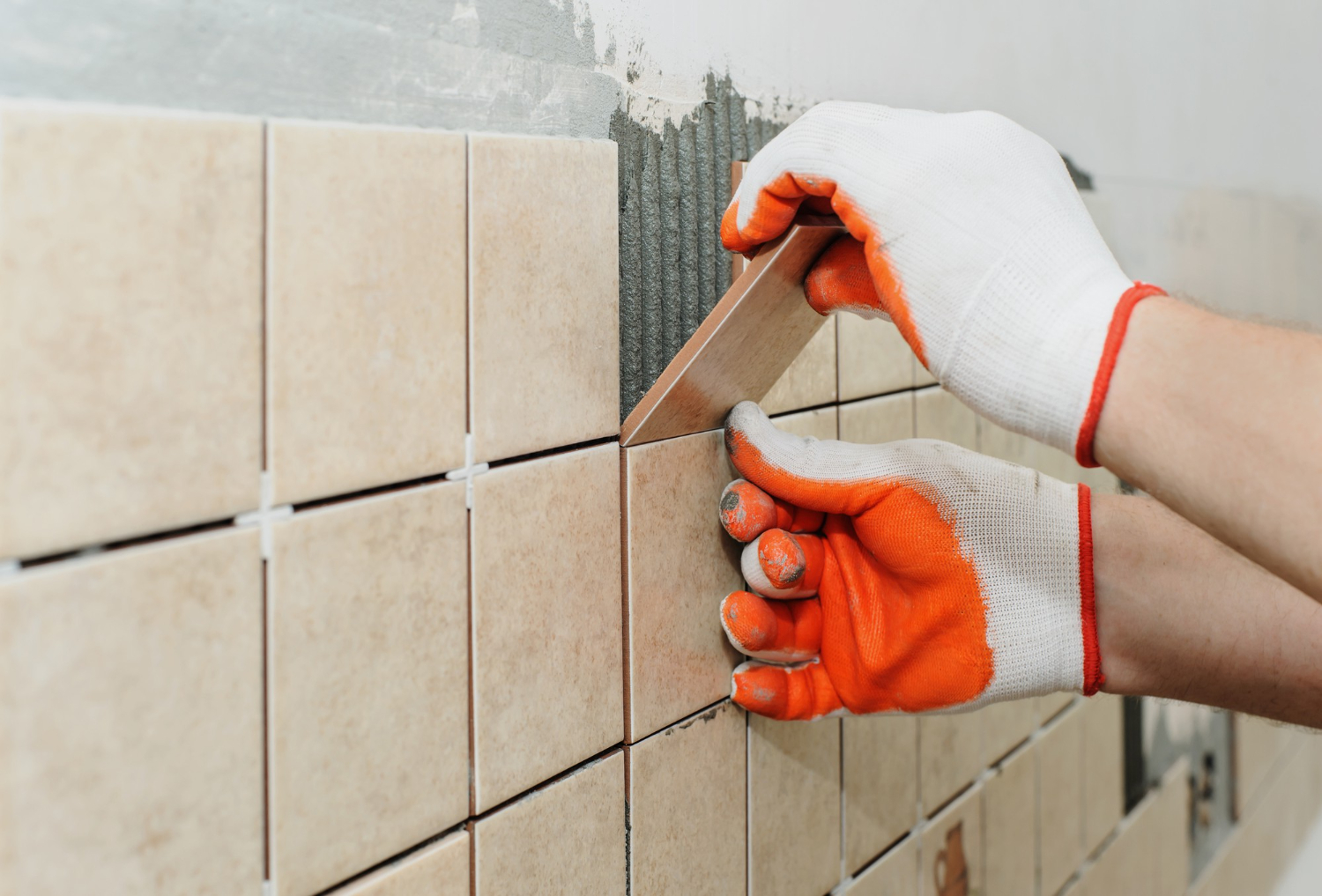
A typical question when remodelling a bathroom or changing wall tiles is: what is the appropriate height for wall tiles? Various factors affect the response, ranging from aesthetic preferences to the pragmatic necessities of the space. Understanding tile heights can have a significant impact on achieving either a sleek, modern appearance or a more classic feel. In this blog post, we will discuss typical tile heights, common preferences, and helpful do-it-yourself suggestions for achieving the perfect bathroom wall tiling.
When it comes to tiling walls, there isn't one solution that works for everyone, but there are widely accepted standards that many people find helpful. In general, bathroom walls are typically tiled around 120 to 150cm above the floor. This elevation is popular for various reasons - it stops walls from getting splattered, provides a tidy and polished look, and makes the tiling practical without overwhelming the space.
The average height is ideal for smaller bathrooms, helping to create a harmonious mix of tiled and untiled areas without making the room feel too cluttered. It's also a fantastic choice for cloakroom toilets, where complete wall tiling may not be needed.
In addition to the norm, there are several common methods for tiling heights that can enhance both the style and functionality of your bathroom. These are a few of the most frequently seen.
When attempting to tile your bathroom by yourself, remember a few essential tips for achieving optimal results.
The tiles' height on your bathroom wall is crucial for both appearance and practicality. Based on your personal preferences and requirements for space, you have the option to select a half-wall, three-quarter, or full-height design, each offering unique benefits. Careful planning, using high-quality materials like tile backer boards, and working with precision are essential to achieve a professional result in a DIY tiling project.
At Beava, we offer a variety of tiling products to assist in achieving a successful bathroom renovation. From tools to materials, we are committed to assisting you on your tiling adventure and simplifying the process of achieving your desired aesthetic. Discover our variety now and locate all the essentials for designing a stylishly tiled bathroom that matches your taste.