
Cart (0)
Your basket is currently empty.
Live chat and helpline open between 7:00am – 5:00pm

Live chat and helpline open between 7:00am – 5:00pm

On all products ordered before 3:00pm

On all orders over £100

Find out what our customers are saying

No Quibble returns up to 14 days from purchase
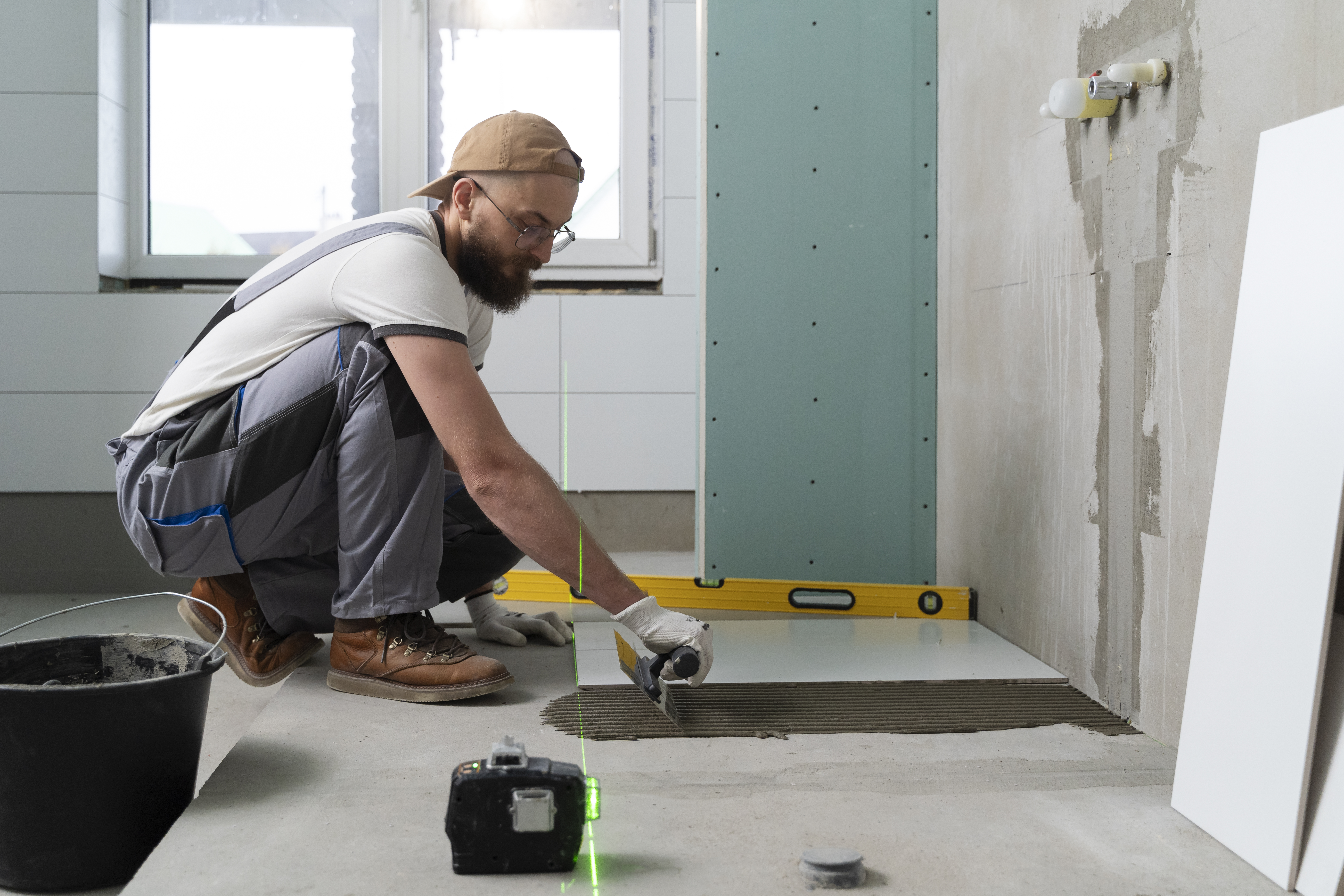
There’s nothing quite like the pride of finishing a tiling project: fresh grout lines, perfectly aligned tiles, and a sleek finish that elevates a whole room. But nothing undermines all that hard work faster than chipped tiles. You can measure with laser accuracy, plan meticulously, and still ruin the look of your wall or floor if your cuts are messy. For many DIYers, and even some experienced tradespeople, tile cutting is the most intimidating part of the process. It’s not just about making the tiles fit; it’s about making them fit beautifully. If your cuts leave chips and rough edges, your whole project looks amateurish. But here’s the truth: chipping tiles isn’t inevitable. With the right tools, proper preparation, and pro-level techniques, you can achieve crisp, flawless cuts every time. At Beava Direct, we’ve worked with everyone from first-time DIY enthusiasts to seasoned tilers, and the same question always comes up: “How do I cut tiles without chips in them?” This guide will answer that in detail. We’ll cover not only the tools and techniques, but also the psychology of patience, the common mistakes most beginners make, and real-world examples of what happens when you ignore the rules (spoiler: wasted tiles and wasted money). By the end, you’ll feel confident enough to take on any tiling job, knowing your cuts will look just as sharp as your design.
Tiles are tough, but they’re also brittle. Understanding why they chip helps you prevent it.
The lesson? Chipping isn’t always a reflection of your skill. Often, it’s the wrong tool or wrong technique for the tile you’re working with.
Professional tilers know this: the cut is only as good as the blade. Here’s a closer look at the essential tools that make the difference:
The gold standard. A wet saw uses water to keep the blade cool, reduce dust, and minimise vibration. For best results, use a continuous-rim diamond blade, it produces smooth, chip-free cuts.
Simple, effective, and great for ceramic tiles. These work by scoring and snapping.
Brilliant for tricky shapes-around pipes, sockets, or curved edges. Pair with a diamond blade.
Used for fine adjustments and notches. They “nibble” away small amounts.
These don’t cut but smooth. A slightly chipped edge can often be salvaged with a few passes of a diamond sanding block. See Beava’s full range of professional tiling tools and blades.
Cutting success starts long before the blade hits the tile. A few minutes of prep can save hours of frustration:
This is where beginners go wrong: they rush into the cut, then blame the tool when things go wrong.
Many pros recommend cutting halfway through from the back, then finishing from the front. This protects the glaze. (Tilers Forums)
Even pros face challenges. Here’s how to recover:
Think of it this way: tile cutting is like cooking a steak. You don’t rush the heat-you let the tools do their job.
One of our customers at Beava Direct once admitted they wasted half a box of porcelain tiles trying to use a bargain-bin cutter from a DIY chain. Every cut chipped. Morale sank. After investing in a Beava wet saw with a diamond blade, the difference was night and day. Clean cuts, sharp edges, and the project finally looked professional. Sometimes, the problem isn’t you, it’s your kit.
Tile cutting may not seem dangerous, but flying chips and diamond blades are no joke.
If you want your cuts to rival a seasoned tiler’s, try these pro-level strategies:
Cutting tiles without chips isn’t about being “naturally good at DIY”. It’s about using the right tool, preparing properly, and respecting the process. Next time you’re tempted to rush through a box of tiles with a blunt cutter, remember: the small details, the clean edges, the flawless corners, are what separate amateur work from professional finishes. At Beava Direct, we don’t just supply tools; we supply confidence. With the right blades, cutters, and accessories, you’ll cut like a pro and finish with pride. Explore our full range of tile cutting tools and accessories. Because in tiling, as in life, it’s not just about getting the job done. It’s about doing it beautifully.