
Cart (0)
Your basket is currently empty.
Live chat and helpline open between 7:00am – 5:00pm

Live chat and helpline open between 7:00am – 5:00pm

On all products ordered before 3:00pm

On all orders over £100

Find out what our customers are saying

No Quibble returns up to 14 days from purchase
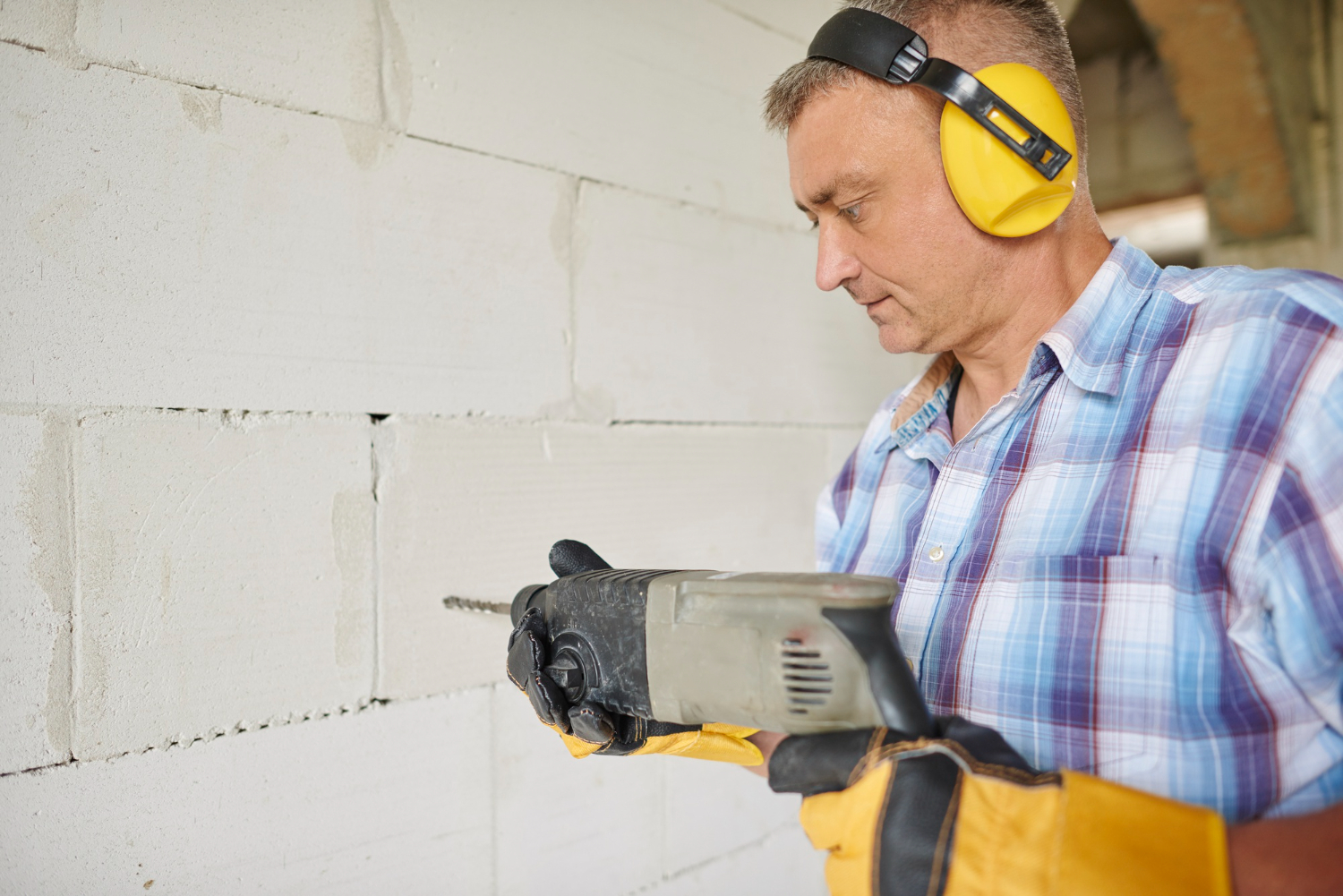
A tile drill bit is required for anyone who wants to attach fixtures and fittings to their bathroom, shower room, or even kitchen walls. From loo roll holders to towel rails, most tiling installations aren’t complete without needing to drill into the tiles you’re working with, but as you might know, you can’t just use any old drill bit for tiling. So, what is the right drill bit to choose then? Well, in today’s guide, we’re going to explore exactly that, discovering the different bits available, how they function, and the materials we can use them with.
Drill bits come in an assortment of shapes, designs, and materials, with each variety specific to its special job. Tiles require a material harder than themselves to cut into them effectively, penetrating the surface of the tiles without causing cracks or chips. The harder the material is, the easier it will cut or drill, and so by using an appropriately hard drill bit, we can cut easily into the tiles and thus reduce the risk of the tile breaking in our hands or under our tools.
For tile drill bits we use materials such as carbide or diamond-tipped bits with a very sharp edge, which are more than suitable for ceramic and porcelain, as well as stone.
Carbide drill bits are your most common drill bits because they’re cheap and cheerful whilst providing excellent cutting power and an impressive resistance to wear. These as drill bits tipped with a special alloy called tungsten carbide which is basically the tungsten metal reinforced with carbon atoms, much like how carbon is added to iron to make steel. But because tungsten carbide is an expensive material, we only use it to tip the tool or drill bit, thereby making sure we get all the benefits for the lowest possible cost.
The best time to use a carbide-tipped drill bit is on smaller-scale projects when you are dealing with softer tiles.
Diamonds have long been known to be the hardest material that forms naturally, and since the invention of synthetic diamonds, they have found their way onto the edges of every tool imaginable to increase the capacity, productivity, and ease of use for any and every project.
The rule of cutting is a harder material cuts a softer material, and so the use of diamond has been an obvious choice since we found a way to industrialise its use, being effective at cutting porcelain, granite and any other stone with swiftness and precision.
Diamond-tipped drill bits for use in tiling are an excellent choice for the following reasons:
The best time to use a diamond-tipped bit is when working with harder tiles such as porcelain or stone, or for larger-scale projects that require cutting to be done efficiently and cleanly, without needing to replace parts and tools constantly.
To drill tiles is a labour that demands care, precision, and of course, the correct technique, for those who need a refresher here is a basic guideline you can follow:
So then, it becomes clear that the right type of tile drill bit will greatly affect the outcome of your project’s presentation and cost, and by using the right drill bit you can ensure cleanly cut tiles, reduce the number of cracks and chips, and therefore the amount of wastage.
Whilst carbide-tipped bits excel with softer tiles such as ceramic, the diamond-tipped drill bits are better suited for harder materials like porcelain and granite due to their higher precision and durability.
With the right drill bit and techniques, you can ensure your project is completed without fear of cracking or damaging your, or your clients, tiles.
To explore our range of high-quality tile drill bits then head over to Beava’s cutting and drilling section to find the perfect tool for your next tiling project.